
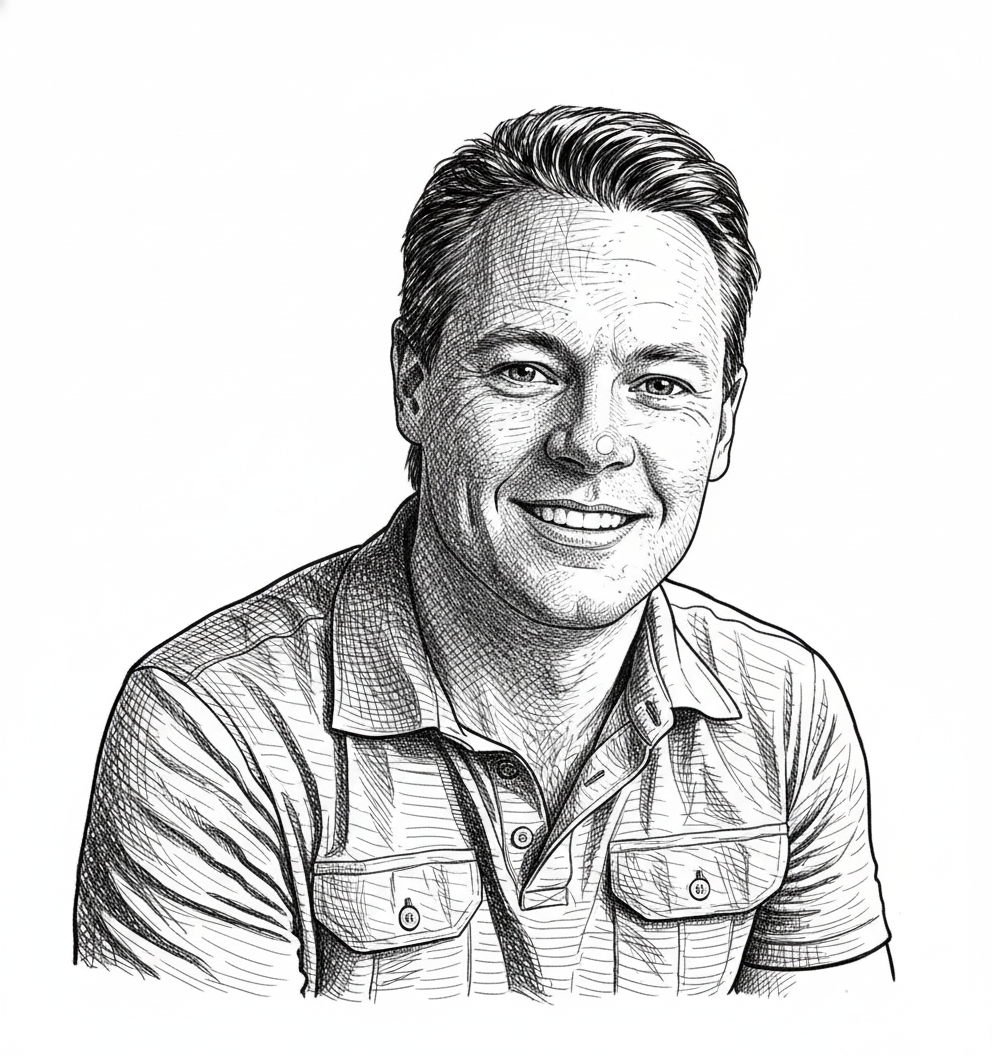
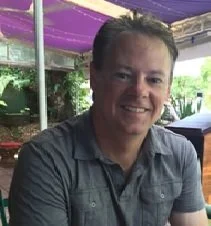
Dr. Matthew Curtis
Dr. Matthew Curtis
Eastern Africa Archaeology Specialist | California State University
Career Highlights
- 25+ years archaeological fieldwork in Eastern Africa
- Fulbright Fellow and NSF grant awardee
- Excavation director (Eritrea & Ethiopia)
- Executive Board member, Society of Africanist Archaeologists
- Founder & Director, Eastern African Archaeology Online
- Professor at Cal State Channel Islands
- Faculty at UC Santa Barbara, UCLA, University of Asmara
- Cotsen Institute survey director (Tigray, Ethiopia)
About Dr. Matthew Curtis
Dr. Matthew Curtis—known to colleagues and travelers as Matt—is a broadly trained anthropological archaeologist who has dedicated more than 25 years to understanding the ancient cultures of Eastern Africa, with particular expertise in the archaeology of Ethiopia and Eritrea. His career represents the kind of sustained, deep engagement with a region that enables genuine expertise: decades of fieldwork, extensive scholarly publication, leadership in professional organizations, and a commitment to making Eastern African archaeology accessible to both academic and public audiences.
Matt's specialization is the Holocene archaeology of Eastern Africa—the period spanning roughly the last 12,000 years, encompassing the transition from hunter-gatherer societies through the development of agriculture, complex societies, and state formation in the Horn of Africa. This temporal focus means he can interpret everything from ancient rock art and early domestication to the rise of Aksumite civilization and medieval Christian kingdoms, helping travelers understand how thousands of years of human activity have shaped the landscapes and cultures they encounter today.
His credentials reflect recognition of scholarly excellence and professional achievement. As a former Fulbright Fellow, he received one of the most prestigious awards for international educational exchange, supporting his research in Africa. His National Science Foundation grant reflects peer recognition of his research's scientific merit and broader impacts. His numerous scholarly publications on the archaeology of the Horn of Africa contribute to the academic understanding of Eastern African prehistory and history, while his role as an executive board member of the Society of Africanist Archaeologists (SAfA) demonstrates his leadership within the community of scholars dedicated to African archaeology.
Dr. Matthew Curtis—known to colleagues and travelers as Matt—is a broadly trained anthropological archaeologist who has dedicated more than 25 years to understanding the ancient cultures of Eastern Africa, with particular expertise in the archaeology of Ethiopia and Eritrea. His career represents the kind of sustained, deep engagement with a region that enables genuine expertise: decades of fieldwork, extensive scholarly publication, leadership in professional organizations, and a commitment to making Eastern African archaeology accessible to both academic and public audiences.
Matt's specialization is the Holocene archaeology of Eastern Africa—the period spanning roughly the last 12,000 years, encompassing the transition from hunter-gatherer societies through the development of agriculture, complex societies, and state formation in the Horn of Africa. This temporal focus means he can interpret everything from ancient rock art and early domestication to the rise of Aksumite civilization and medieval Christian kingdoms, helping travelers understand how thousands of years of human activity have shaped the landscapes and cultures they encounter today.
His credentials reflect recognition of scholarly excellence and professional achievement. As a former Fulbright Fellow, he received one of the most prestigious awards for international educational exchange, supporting his research in Africa. His National Science Foundation grant reflects peer recognition of his research's scientific merit and broader impacts. His numerous scholarly publications on the archaeology of the Horn of Africa contribute to the academic understanding of Eastern African prehistory and history, while his role as an executive board member of the Society of Africanist Archaeologists (SAfA) demonstrates his leadership within the community of scholars dedicated to African archaeology.
Perhaps most significantly, Matt founded and directs Eastern African Archaeology Online, a digital resource that makes information about the region's archaeological heritage accessible to researchers, students, and interested publics worldwide. This initiative reflects his commitment to both scholarly communication and public engagement—values that directly enhance his effectiveness as a tour leader who can translate complex archaeological concepts for non-specialist audiences.
Matt's field experience is extensive and hands-on. He has directed archaeological surveys and excavations on the Asmara Plateau of Eritrea, working at high altitudes in the Horn's distinctive highland environments. In the Gamo Highlands of Southern Ethiopia, he has investigated the archaeology of diverse ecological zones and cultural traditions. His work has taken him to the National Museums of Kenya for artifact analyses, allowing him to study material culture collections and develop comparative perspectives across Eastern African regions. Most notably, he led a major regional archaeological survey project in Tigray, Ethiopia, for the prestigious Cotsen Institute of Archaeology at the University of California, Los Angeles—a project requiring coordination of teams, negotiation with local authorities, and synthesis of diverse archaeological data.
This fieldwork means that when Matt interprets archaeological sites for travelers, he's not relying on books or secondhand accounts—he has actually excavated similar sites, analyzed comparable artifacts, and grappled with the methodological challenges of reconstructing past societies from material remains. He understands the landscape, the logistics of working in remote areas, the relationships with local communities essential for successful research, and the contemporary contexts within which ancient sites exist.
As an educator, Matt brings teaching experience from multiple prestigious institutions. Currently, he is a professor of anthropology at California State University, Channel Islands, where he trains the next generation of anthropologists. Previously, he has served on the faculty at the University of California, Santa Barbara—one of the leading anthropology programs in the United States—as well as UCLA Extension, which serves adult learners and professionals. Perhaps most remarkably, he taught at the University of Asmara in Eritrea, giving him direct experience educating East African students and intimate knowledge of how archaeology is taught and practiced within the region itself.
For travelers to Ethiopia and Eritrea, Matt offers unparalleled expertise. He can explain the significance of the ancient Aksumite civilization that dominated the region from roughly the 1st to 7th centuries CE, interpret the rock-hewn churches of Lalibela within the context of medieval Ethiopian Christianity, contextualize the diverse cultural traditions of Ethiopia's many ethnic groups within long-term historical processes, and help visitors understand how contemporary cultures connect to archaeological pasts. His decades of work in the Horn of Africa mean he has both scholarly knowledge and practical cultural fluency, enabling him to facilitate meaningful interactions between travelers and local communities while providing the kind of depth of interpretation that transforms tourism into education.
Areas of Expertise
Archaeological Specializations
- Holocene archaeology (last 12,000 years)
- Eastern African prehistory
- Ethiopia & Eritrea archaeology
- Aksumite civilization
- Horn of Africa cultures
- Highland archaeology
- Agricultural development
- Complex societies formation
Field Experience
- Asmara Plateau (Eritrea)
- Gamo Highlands (Southern Ethiopia)
- Tigray region (Ethiopia)
- National Museums of Kenya
- Survey methodology
- Excavation direction
- Artifact analysis
- Regional synthesis
Professional Achievements
- Fulbright Fellow
- NSF grant awardee
- SAfA Executive Board member
- Eastern African Archaeology Online founder
- Scholarly publications author
- Professor (CSU Channel Islands)
- Former UC Santa Barbara faculty
- University of Asmara instructor
Travel with Dr. Curtis
Dr. Matthew Curtis's 25+ years of archaeological fieldwork in Ethiopia and Eritrea, combined with his Fulbright Fellowship, NSF funding, and scholarly leadership, offers travelers an extraordinary depth of knowledge about the Horn of Africa's ancient and contemporary cultures. His experience directing excavations, teaching at universities in both the United States and Eritrea, and founding digital resources for African archaeology ensures that tours led by Matt are both academically rigorous and genuinely accessible.
Whether exploring Aksum's ancient stelae, understanding the rock-hewn churches of Lalibela within their historical context, interpreting Ethiopia's diverse cultural landscapes, or discovering Eritrea's highland archaeology, Matt brings the perspective of someone who has spent decades researching these regions. His anthropological training ensures attention to both ancient history and contemporary cultures, creating journeys that connect past and present in meaningful ways.
View All Expert LecturersBook a Tour with Dr. Curtis
Interested in exploring Ethiopia and Eritrea with a leading archaeologist?
Call toll-free: 1-800-645-3233
Email: [email protected]